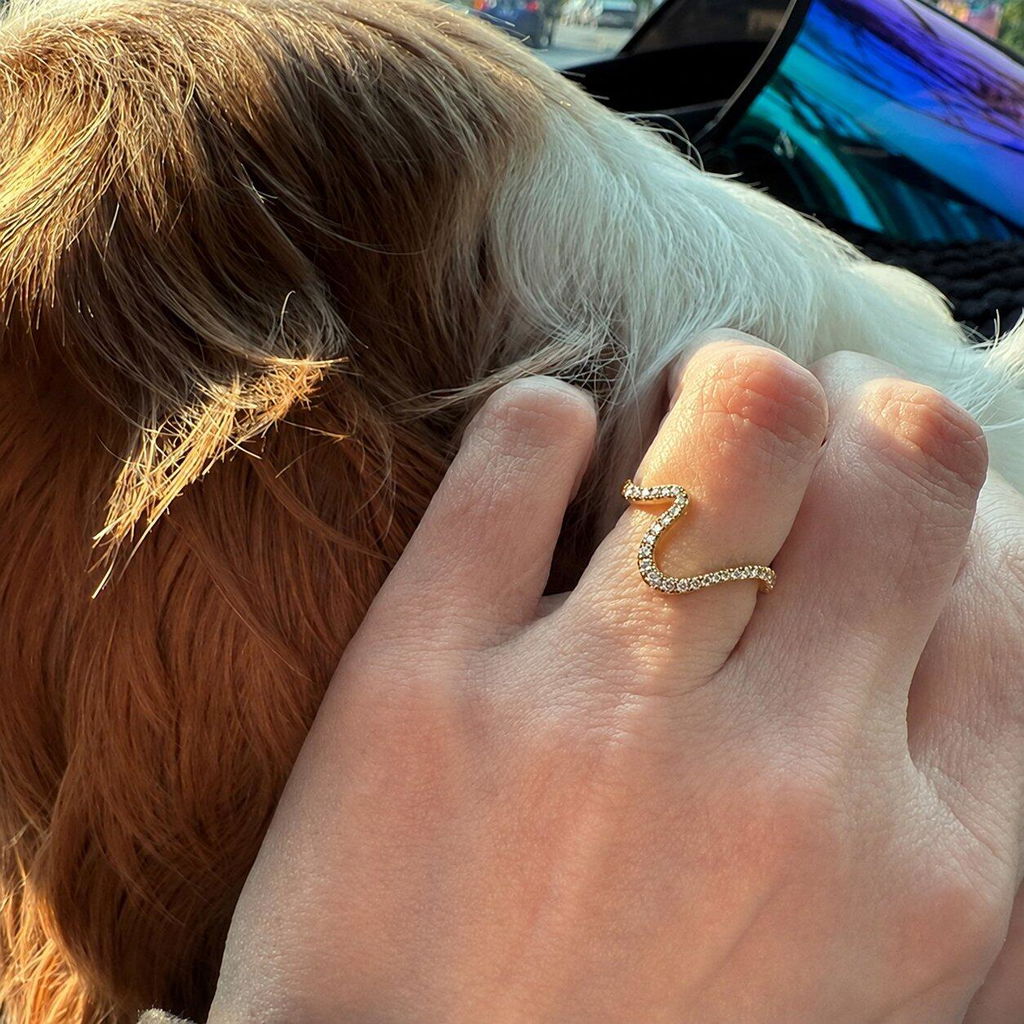
When it comes to purchasing an engagement ring or fine jewelry, ethical sourcing is as important as the diamond’s brilliance. “Conflict-free” diamonds promise that your purchase hasn’t contributed to armed conflict or human exploitation—but understanding what this actually means requires careful scrutiny.
This guide explores conflict-free certifications, industry standards, and how modern consumers can make responsible choices when buying diamonds.
Understanding Conflict Diamonds

Conflict diamonds, also known as “blood diamonds,” are diamonds mined in war zones and sold to finance armed conflict. Historically, they have funded violent civil wars, human rights abuses, and exploitation in countries like Sierra Leone, Angola, and the Democratic Republic of Congo.
The global response led to the establishment of systems and certifications that ensure diamonds are sourced responsibly.
The Kimberley Process Certification Scheme (KPCS)

What It Is
-
Launched in 2003 by governments, industry, and civil society
-
Aims to prevent conflict diamonds from entering the mainstream market
How It Works
-
Diamonds are tracked from mine to export
-
Certified shipments receive a Kimberley Process certificate
-
Importing countries verify certificates before sale
Limitations
-
Focuses only on armed conflict financing
-
Does not cover environmental, labor, or broader ethical concerns
-
Critics call for additional transparency and enforcement
Key Takeaway: While a Kimberley certificate guarantees a diamond is conflict-free in terms of war financing, it does not fully ensure ethical or sustainable sourcing.
Independent Ethical Certifications

Beyond the Kimberley Process, several organizations provide more comprehensive ethical oversight:
1. Responsible Jewellery Council (RJC)
-
Certifies mines, refiners, and jewelers
-
Covers human rights, labor standards, and environmental practices
2. Fairtrade Gold & Gems
-
Ensures fair wages and safe working conditions
-
Promotes environmental sustainability in mining operations
3. Manufacturer Transparency Programs
-
Some brands track each diamond from mine to retail
-
Provides consumers with detailed origin and sourcing reports
These certifications go beyond conflict-free claims to verify ethical practices throughout the supply chain.
Lab-Grown Diamonds and Conflict-Free Assurance

Lab-grown diamonds are inherently conflict-free:
-
Created in controlled labs, eliminating mining risks
-
Require minimal environmental disruption
-
Offer modern luxury with ethical transparency
Couples increasingly choose lab-grown diamonds for peace of mind and sustainable luxury.
How to Read Diamond Certifications

Key Information to Look For:
-
Certification Body: GIA, IGI, HRD, or RJC
-
Origin Statement: Confirms ethical sourcing or lab-grown creation
-
4Cs Verification: Ensures quality of cut, color, clarity, and carat
-
Conflict-Free Label: Confirms diamond does not fund armed conflict
Always request the official certificate and verify it with the issuing authority.
Choosing a Responsible Jeweler

-
Transparency in sourcing and manufacturing and Bellezza Jewelry is know for it's transparancy
-
Provides lab-grown or ethically certified natural diamonds
-
Offers documentation for all diamonds and metals used
Working with responsible jewelers ensures that your purchase aligns with both luxury and values.
Why Conflict-Free Diamonds Matter Today

Modern consumers increasingly value ethical transparency and sustainability:
-
Couples want diamonds that reflect love without harm
-
Brands are responding with lab-grown diamonds and certified sourcing
-
Ethical choices reinforce trust, brand loyalty, and conscious luxury
Beyond Conflict-Free: Holistic Ethical Considerations

-
Environmental Impact: Responsible mining, recycled metals, sustainable practices
-
Labor Practices: Fair wages, safe working conditions
-
Transparency: Clear tracking from mine or lab to retail
Conflict-free certifications are part of a broader ethical framework, ensuring jewelry represents both luxury and responsibility.
Conclusion
Conflict-free diamonds are no longer optional—they are a critical aspect of modern luxury and responsible consumerism. Understanding what certifications truly mean allows couples to make informed, ethical choices when selecting engagement rings or fine jewelry.
Shop: Lab-grown engagement ring
By prioritizing verified ethical sourcing, transparency, and lab-grown alternatives, consumers can enjoy diamonds that sparkle with brilliance and align with their values, turning every purchase into a reflection of love, integrity, and conscious luxury.