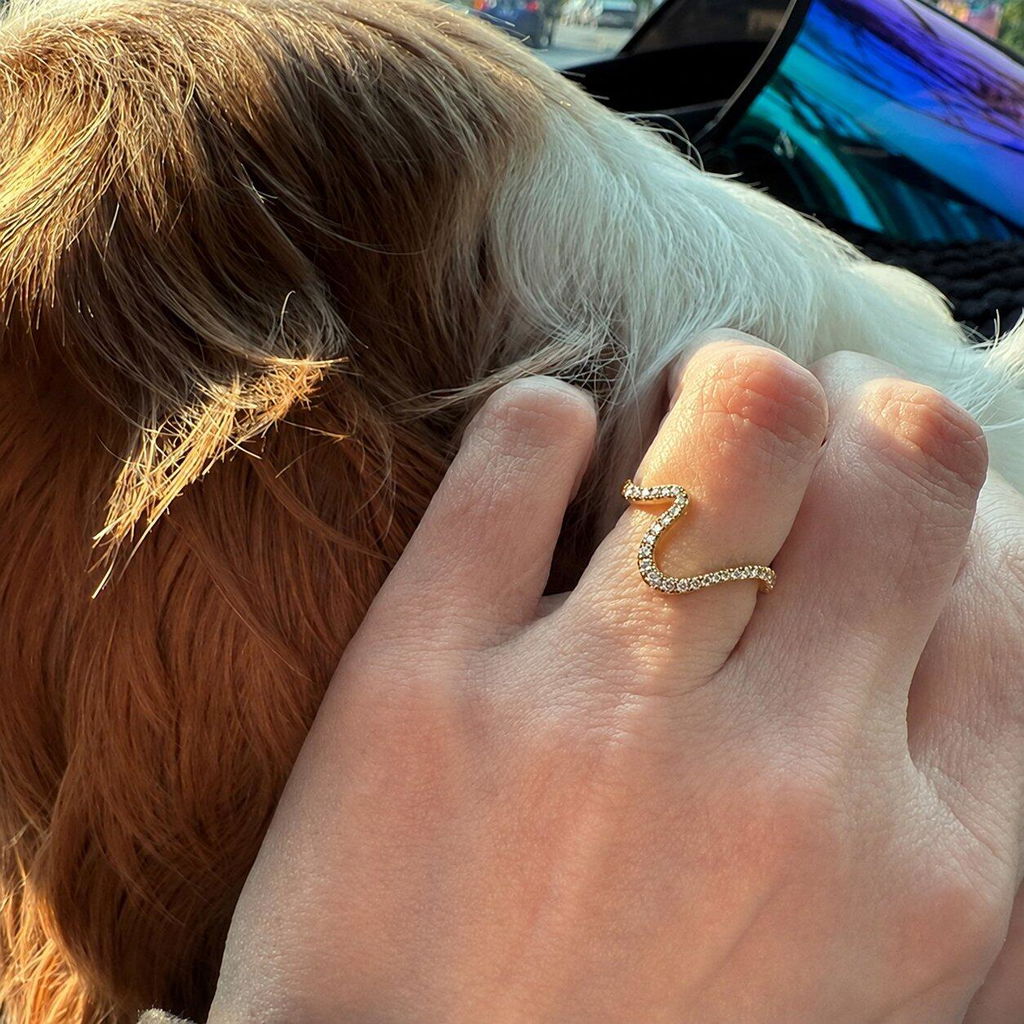
In today’s world, purchasing fine jewelry is no longer just about aesthetics, quality, or tradition. Modern couples are increasingly aware of the social, environmental, and ethical implications behind their purchases. Ethical sourcing has become a central factor in choosing engagement rings, wedding bands, and luxury jewelry. But what does it really mean for jewelry to be ethically sourced? And how can you, as a conscious consumer, ensure that your jewelry aligns with your values?
This comprehensive guide will explore ethical sourcing in depth, providing clarity on how jewelry is mined, manufactured, and certified, and how you can make informed decisions that combine beauty, quality, and responsibility.
What Does Ethical Sourcing Mean?

Ethical sourcing in jewelry refers to the process of obtaining materials—diamonds, gemstones, and precious metals—in a way that respects human rights, protects the environment, and ensures fair labor practices. Unlike conventional mining and supply chains, which may involve conflict, exploitation, or environmental degradation, ethical sourcing emphasizes transparency, sustainability, and accountability.
At its core, ethical sourcing encompasses:
-
Conflict-Free Diamonds – Ensuring diamonds do not fund violence or human rights abuses.
-
Fair Labor Practices – Guaranteeing safe working conditions and fair wages for miners and artisans.
-
Environmental Responsibility – Minimizing the ecological footprint of mining, cutting, and manufacturing.
-
Transparency and Traceability – Providing buyers with verifiable information about the origin of materials.
The History Behind Conflict-Free Jewelry

The term “conflict diamonds” became widely known in the late 1990s due to media coverage of civil wars in West Africa. Diamonds mined in war zones were sometimes sold to fund armed conflict, leading to widespread human suffering.
The Kimberley Process
In response, the Kimberley Process Certification Scheme (KPCS) was established in 2003 to prevent the trade of conflict diamonds. While a crucial step toward accountability, the Kimberley Process has limitations:
-
It primarily focuses on diamonds funding armed conflict, not on other human rights or environmental concerns.
-
Loopholes in certification and enforcement can still allow unethical sourcing to occur.
Modern Ethical Standards

Today, ethical sourcing goes beyond conflict-free:
1. Responsible Mining Initiatives
Organizations like the Responsible Jewellery Council (RJC) certify mines and jewelers that adhere to strict social, ethical, and environmental standards. This ensures that mining:
-
Avoids exploitation of workers
-
Minimizes ecological disruption
-
Supports local communities
2. Traceable Supply Chains
Many brands now provide blockchain or digital tracking for diamonds and metals. This allows consumers to see:
-
The mine of origin
-
How materials were transported and processed
-
The artisans who created the finished piece
Transparency in supply chains reassures buyers that their jewelry is responsibly sourced from start to finish.
3. Lab-Grown Diamonds
Lab-grown diamonds represent another ethical alternative. Since they are cultivated in controlled laboratories, they:
-
Avoid mining impacts entirely
-
Are conflict-free by default
-
Can offer environmental and social advantages without compromising quality
Environmental Impact of Jewelry Sourcing

Mining natural diamonds and metals has historically carried significant environmental costs, including:
-
Deforestation and habitat destruction
-
Soil and water contamination from mining chemicals
-
Energy-intensive processes contributing to carbon emissions
Brands committed to ethical sourcing mitigate these impacts through:
-
Sustainable mining practices – reducing land disruption and rehabilitating mined areas
-
Recycled metals – using gold, silver, and platinum from pre-existing jewelry to minimize new extraction
-
Eco-friendly manufacturing – minimizing water use, energy consumption, and chemical waste
Fair Labor Practices: Protecting Workers

Ethical jewelry sourcing also emphasizes human rights and labor standards:
-
Ensuring fair wages for miners and artisans
-
Providing safe working environments
-
Eliminating child labor and exploitative practices
These practices are particularly important in regions where mining is a primary livelihood but workers historically face hazardous conditions.
Certifications to Look For

When shopping for ethically sourced jewelry, certifications can serve as trust indicators:
-
Responsible Jewellery Council (RJC): Verifies compliance with social, ethical, human rights, and environmental standards.
-
Fairtrade Gold: Ensures gold comes from responsibly managed mines with fair labor practices.
-
GIA/IGI Certified Diamonds: While primarily quality-focused, some certification reports indicate origin details.
-
Blockchain-Verified Lab-Grown Diamonds: Provides traceable, conflict-free provenance for cultured stones.
Questions to Ask Your Jeweler

Even with certifications, it’s important to engage with your jeweler:
-
Where does the diamond or metal come from?
-
What certifications or documentation are available?
-
Are recycled metals used in the piece?
-
How are artisans and miners compensated?
A responsible jeweler should welcome these questions and provide transparent answers.
Lab-Grown Diamonds and Modern Ethical Luxury

Lab-grown diamonds are becoming a symbol of modern luxury because they combine beauty, quality, and responsibility. Benefits include:
-
Ethical by nature: No risk of funding conflicts.
-
Sustainable: Lower environmental footprint compared to traditional mining.
-
Cost-effective: Allowing larger, higher-quality stones within the same budget.
By choosing lab-grown diamonds, couples can align their engagement ring purchase with their values without sacrificing brilliance or style.
Ethical Sourcing Beyond Diamonds

Ethical practices extend to all jewelry materials:
-
Gold: Opt for recycled gold or Fairtrade-certified sources.
-
Platinum and Silver: Look for responsible mining or recycled sources.
-
Gemstones: Ensure sapphires, emeralds, and rubies are sourced from conflict-free mines.
The goal is a holistic approach, where every component of the ring or piece is responsibly sourced and traceable.
Why Ethical Jewelry Matters to Modern Couples

Couples today increasingly view jewelry purchases as values-driven decisions. Ethical sourcing matters because:
-
It reflects personal values: Your ring can symbolize not just love, but responsibility and compassion.
-
It fosters trust and transparency: Knowing the origin of your diamond or metal builds confidence in your purchase.
-
It contributes to a better world: Supporting responsible practices helps communities and protects ecosystems.
An ethically sourced engagement ring or piece of jewelry is not just beautiful—it’s meaningful in every dimension.
How to Make an Informed Decision

-
Research Brands: Choose jewelers who prioritize transparency and ethical sourcing. At Bellezza Engagement Rings, we use recycled materials and follow sustainable industry standards to craft premium jewelry—so you can wear your piece with confidence, pride, and purpose.
-
Ask for Certifications: All our lab-grown diamonds are IGI certified. You will receive the physical IGI certificate along with your lab-grown diamond jewelry at the time of delivery. This certificate can be independently verified on the official IGI website, ensuring complete authenticity and peace of mind. https://www.igi.org/Verify-Your-Report/.
-
Consider Lab-Grown Options: Perfect for couples prioritizing sustainability and modern ethics.
-
Check Materials: Ensure metals and gemstones are responsibly sourced or recycled.
-
Evaluate Artisan Practices: Confirm fair treatment and compensation for all involved in the creation process.
Conclusion
Ethical sourcing in jewelry is more than a trend—it is a commitment to transparency, sustainability, and human rights. By understanding what responsible sourcing truly means, couples can make purchases that reflect not only love and style but also their values.
From lab-grown diamonds to recycled metals and certified gemstones, modern jewelry offers options that combine luxury, responsibility, and timeless beauty. Your engagement ring, wedding band, or fine jewelry piece can be a testament to your love and your ethical commitment to the world.
By choosing responsibly, you ensure that your jewelry is not only exquisite but also meaningful in every sense.