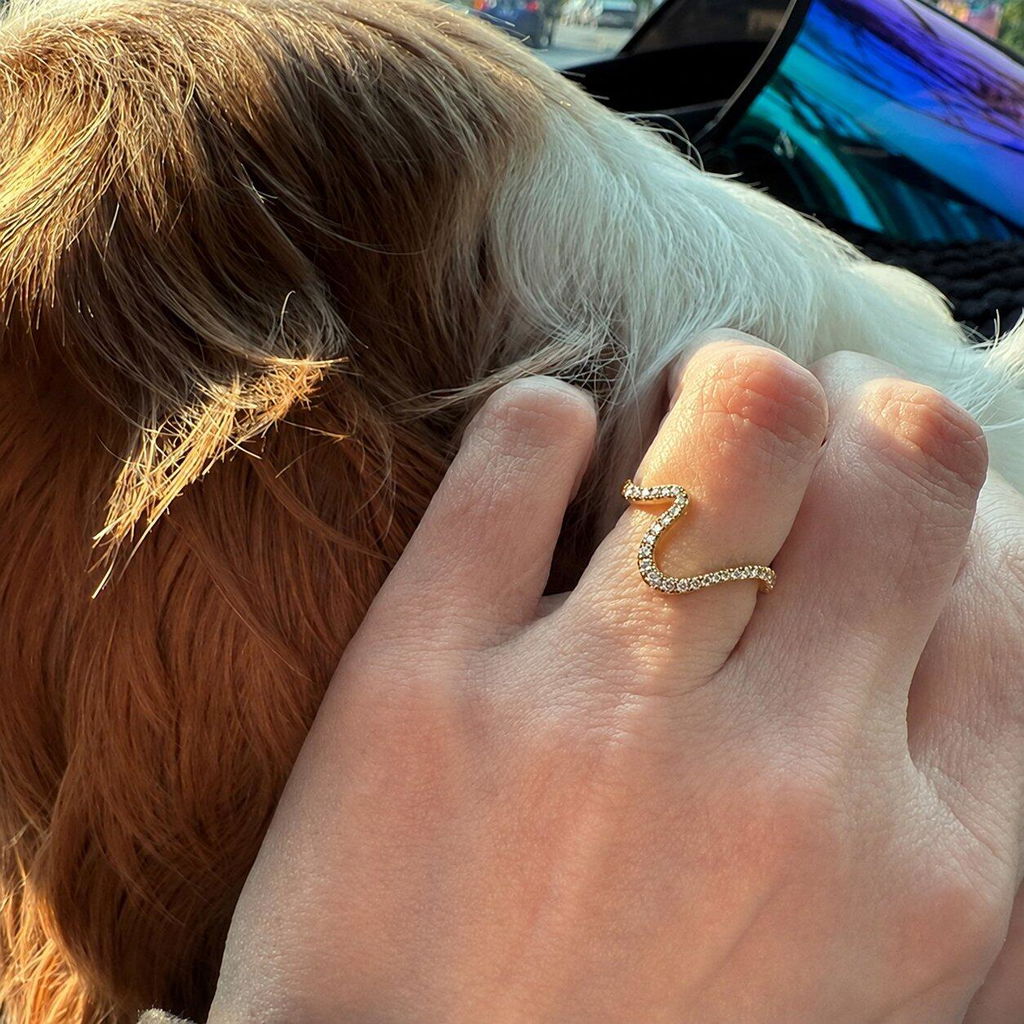
The luxury jewelry market is experiencing a quiet revolution. Lab‑grown diamonds, once considered a niche alternative, are now reshaping how couples, designers, and jewelers think about engagement rings, wedding bands, and fine jewelry. They combine ethical sourcing, modern technology, and exceptional quality, making them an appealing choice for the values-driven, design-conscious consumer.
This guide explores how lab‑grown diamonds are transforming the industry, from ethical advantages to design innovation and market dynamics.
What Are Lab‑Grown Diamonds?

Lab‑grown diamonds, also known as cultured diamonds, are created in a controlled laboratory environment. Chemically, physically, and optically, they are identical to natural diamonds.
Creation Methods
-
Chemical Vapor Deposition (CVD):
-
Carbon gas deposits layer by layer onto a diamond seed.
-
Results in a diamond with exceptional purity and clarity.
-
-
High Pressure High Temperature (HPHT):
-
Simulates natural diamond formation conditions.
-
Produces stones identical to mined diamonds with high structural integrity.
-
Both methods allow jewelers to offer larger, flawless diamonds at a more accessible price point, without compromising luxury.
Ethical and Environmental Advantages

Lab‑grown diamonds have a significant impact on ethical sourcing and sustainability:
1. Conflict-Free by Nature
Unlike some mined diamonds, lab-grown diamonds:
-
Are guaranteed conflict-free
-
Avoid financing armed conflict or exploitation
-
Offer peace of mind to socially conscious buyers
2. Reduced Environmental Footprint
Traditional mining can involve:
-
Land disruption
-
Water and soil contamination
-
High energy consumption
Lab-grown diamonds minimize these environmental impacts, making them an environmentally responsible choice without sacrificing brilliance.
Luxury Redefined: Lab-Grown Diamonds in Modern Jewelry

Luxury is no longer defined solely by rarity—it’s increasingly defined by craftsmanship, design, and values.
How Lab-Grown Diamonds Fit Luxury Standards
-
High-quality craftsmanship: Lab-grown diamonds meet the same 4C grading as natural stones.
-
Design flexibility: Affordable pricing allows for larger stones or unique settings.
-
Ethical luxury: Consumers can express luxury aligned with modern ethical standards.
Luxury brands increasingly embrace lab-grown diamonds in their signature collections, signaling a shift in what modern luxury means.
Market Trends and Consumer Adoption

Growing Popularity
-
Couples aged 25–40 are driving adoption due to ethical awareness and budget considerations.
-
Lab-grown diamonds are becoming mainstream in engagement rings and high-end jewelry.
Fashion Meets Ethics
Designers are integrating lab-grown diamonds into:
-
Colored gemstone combinations
-
Bold statement pieces
Consumers no longer see lab-grown diamonds as inferior; they are a conscious choice reflecting style and values.
Price and Value Considerations

Lab-grown diamonds are typically 20–40% less expensive than comparable natural diamonds:
-
Allows for larger carat sizes or more intricate settings within the same budget
-
Offers couples a way to prioritize size or quality without financial compromise
While resale markets for lab-grown diamonds are evolving, their value lies in accessibility, ethics, and design possibilities, which aligns with modern luxury consumer priorities.
Lab-Grown Diamonds and Design Innovation

The controlled creation process enables innovative design opportunities:
-
Custom shapes: Couples can experiment with rare shapes like marquise or trillion cuts.
-
Unique color diamonds: Lab-grown diamonds can be produced in a range of fancy colors.
-
Intricate settings: Designers can explore more delicate or bold designs, knowing the diamond’s properties are reliable.
This flexibility pushes creative boundaries in engagement rings and fine jewelry.
Sustainability as a Luxury Statement

Modern consumers increasingly equate luxury with values-aligned consumption. Lab-grown diamonds provide:
-
Assurance of conflict-free sourcing
-
Reduced environmental impact
-
Compatibility with recycled metals and responsible craftsmanship
By choosing lab-grown diamonds, couples can make a luxury statement that aligns with ethics, design, and social consciousness.
Addressing Misconceptions

-
“Lab-grown diamonds aren’t real.”
False—they are chemically identical to natural diamonds. -
“They are less luxurious.”
Luxury today combines quality, design, and ethics, not just origin. -
“They have lower prestige.”
High-end brands are adopting lab-grown diamonds, increasing acceptance in luxury markets.
Education is key to shifting perceptions and empowering couples to make informed, values-driven choices.
How Jewelers Are Adapting

Leading jewelers now feature lab-grown diamond collections alongside natural diamonds:
-
Offering full transparency on origin and ethics
-
Providing customization and bespoke options
-
Educating consumers on 4Cs, ethical sourcing, and sustainability
This combination of design expertise and ethical responsibility is redefining what modern luxury means in jewelry.
Conclusion
Lab-grown diamonds are more than a trend; they represent a paradigm shift in luxury jewelry. By combining ethics, quality, and design innovation, they align with the values of modern couples who seek beauty, meaning, and sustainability.
The rise of lab-grown diamonds illustrates that luxury and responsibility are no longer mutually exclusive. Couples can now choose a ring that reflects their love, their personal values, and their aesthetic sensibilities—without compromise.
Modern luxury is evolving. Lab-grown diamonds are leading the way.