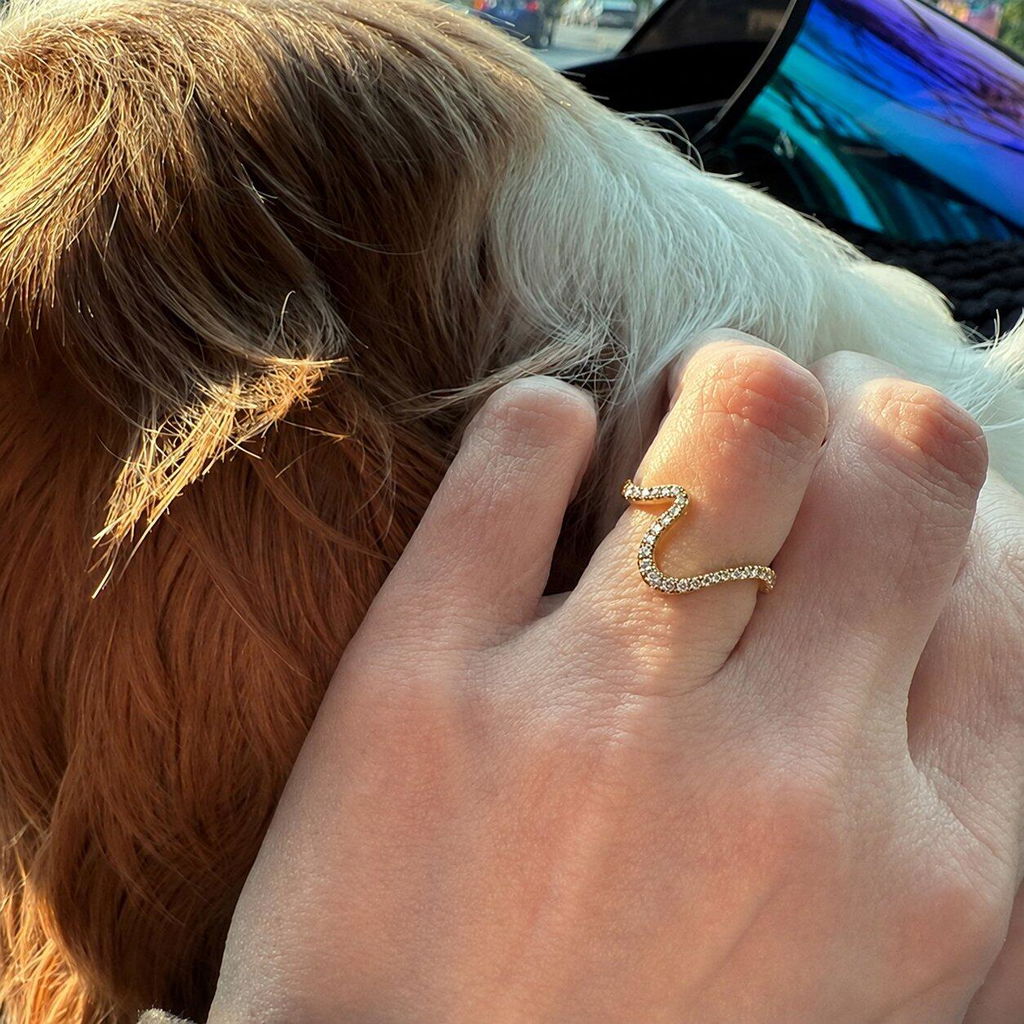
Fine jewelry is more than a fashion statement—it is an investment in artistry, craftsmanship, and lasting beauty. From engagement rings and wedding bands to heirloom necklaces and bracelets, proper care ensures that these treasured pieces maintain their sparkle, structural integrity, and sentimental value for decades.
This guide explores the best practices, professional tips, and modern techniques for caring for fine jewelry, allowing you to enjoy luxury that truly lasts a lifetime.
Why Jewelry Care Matters

Fine jewelry, especially pieces set with diamonds, gemstones, and precious metals, can be vulnerable to:
-
Scratches and abrasions
-
Tarnishing or discoloration
-
Stone loosening or prong damage
Proper care preserves both aesthetic beauty and financial value, ensuring that pieces remain heirloom-worthy.
Understanding Materials: Diamonds, Gemstones, and Metals

Diamonds
-
Hardest natural mineral, but still susceptible to chips at edges or corners
-
Sensitive to harsh chemicals like bleach or chlorine
-
Regular inspections prevent prong loosening and accidental loss
Colored Gemstones
-
Softer stones (emeralds, opals, pearls) require gentle handling
-
Avoid exposure to extreme heat, sunlight, or chemicals
-
Cleaning should be stone-specific to prevent damage
Precious Metals
-
Gold (yellow, white, rose) can scratch but is generally resilient
-
Platinum develops a patina over time; polishing restores shine
-
Silver tarnishes naturally; proper storage reduces oxidation
Daily Jewelry Care Tips

-
Remove Jewelry for Activities
-
Avoid wearing rings or bracelets during workouts, swimming, or household chores
-
Protects against impact, chemicals, and abrasion
-
-
Store Jewelry Properly
-
Use soft pouches, jewelry boxes, or compartmentalized organizers
-
Keep pieces separate to prevent scratching
-
-
Gentle Cleaning
-
Use mild soap and warm water for diamonds and hard gemstones
-
Soft brushes can remove dirt from intricate settings
-
Avoid ultrasonic cleaners for delicate stones like opals or pearls
-
-
Avoid Chemical Exposure
-
Perfumes, lotions, and hair products can dull metals and stones
-
Remove jewelry before swimming in chlorinated pools
-
Professional Maintenance

Routine Inspections
-
Jewelers can check prongs, clasps, and settings
-
Detects loose stones before loss occurs
Polishing and Replating
-
Gold and platinum bands may need periodic polishing
-
White gold often requires rhodium replating to maintain luster
Stone Replacement
-
Gemstones can occasionally need resetting or replacement
-
Certified jewelers ensure that the original design and integrity are maintained
Caring for Lab-Grown Diamonds

Lab-grown diamonds require the same care as mined diamonds, but they also offer some practical benefits:
-
Often more affordable, allowing larger stones for everyday wear
-
Can be used in intricate designs without risk of ethical compromise
-
Regular cleaning and inspection still essential for long-term brilliance
Cleaning Techniques for Different Jewelry Types

| Jewelry Type | Recommended Cleaning | Frequency |
|---|---|---|
| Diamond rings | Mild soap & soft brush | Weekly |
| Colored gemstones | Stone-specific cleaner | Monthly |
| Gold bands | Polishing cloth | Monthly |
| Pearls | Damp cloth, avoid soaking | After each wear |
Tip: Always dry jewelry thoroughly after cleaning to prevent metal corrosion or stone damage.
Storing Jewelry Long-Term

-
Climate-Controlled Storage: Avoid high humidity to prevent tarnish
-
Separate Compartments: Prevent scratching between pieces
-
Anti-Tarnish Strips: Useful for silver and delicate metals
Proper storage ensures jewelry longevity and maintains value.
Traveling with Jewelry

-
Use hard-sided jewelry cases or travel pouches
-
Keep high-value pieces insured and documented
-
Avoid wearing jewelry in environments with high theft or damage risk
Travel preparation protects both the physical and sentimental value of your jewelry.
Insurance and Documentation
-
Appraisals: Keep updated valuations for insurance purposes
-
Certificates: Maintain GIA/IGI or other lab-grown diamond documentation
-
Photography Records: Helps in recovery if jewelry is lost or stolen
Insurance provides peace of mind, ensuring your investment is protected.
Modern Luxury: Sustainable and Ethical Jewelry Care

Sustainability in jewelry extends to how you care for and maintain pieces:
-
Cleaning with eco-friendly products
-
Using recycled metals or lab-grown diamonds
-
Extending the life of heirlooms through responsible care
Caring for jewelry responsibly reflects both style and values, aligning with modern luxury principles.
Signs Your Jewelry Needs Professional Attention

-
Loose or wobbly stones
-
Dullness that persists after cleaning
-
Scratches or tarnish that cannot be removed with gentle polishing
-
Damage from accidental impact
Professional intervention ensures durability and aesthetic quality are preserved.
Conclusion
The luxury of fine jewelry lies not only in its beauty and craftsmanship but also in its longevity. By following proper care techniques, investing in routine maintenance, and embracing sustainable practices, your engagement rings, necklaces, and heirlooms can remain brilliant and meaningful for generations.
Shop: Lab-grown Engagement Ring
Caring for jewelry is an act of love and responsibility, ensuring that each piece continues to tell your story, sparkle with brilliance, and reflect the values of modern luxury.